

Understanding the psychology behind gambling why we take risks at the casino
The Thrill of Uncertainty
The allure of gambling often begins with the thrill of uncertainty. When players enter a casino, they are engaging in an activity that requires them to embrace risk. This can be exhilarating, as uncertainty ignites our biological instincts, triggering a release of dopamine, the “feel-good” hormone. In fact, many players find that the best australia online casino experiences can enhance their excitement. The excitement derived from not knowing the outcome, whether it’s a game of poker or a spin on a slot machine, can create a sense of euphoria that keeps players coming back for more.

Furthermore, this excitement can often overshadow the rational calculation of risks involved. People tend to focus on the potential for big wins while downplaying the consequences of losses. This behavior can lead to a cycle of risk-taking, as the anticipation of a rewarding outcome creates a compelling narrative that overshadows rational judgment. The brain’s reward system essentially becomes rewired, encouraging individuals to chase those highs again and again.
Moreover, this craving for uncertainty is not limited to seasoned gamblers but can also affect novices. First-time players often underestimate their chances of winning due to the excitement of engaging in a new experience. This can lead them to take risks they normally wouldn’t consider in everyday life. The casino environment, designed to amplify this thrill, plays a crucial role in this psychological dynamic, fostering an atmosphere where risk feels exciting rather than intimidating.
Social Influences and Community Engagement
The social aspect of gambling cannot be overlooked. Many people visit casinos not just for the games but also for the communal experience. Engaging with others who share a similar interest in games and risk-taking can heighten the excitement. This social interaction provides a sense of belonging, which can influence individuals to take greater risks than they would alone. The shared thrill of winning or losing adds to the overall experience, making the stakes feel more compelling.
Additionally, peer pressure and the desire to impress can encourage individuals to take risks they might otherwise avoid. If friends are winning, others may feel compelled to join in, fueled by the belief that luck is contagious. Social dynamics in casinos often create a festive environment where losing is less stigmatized, enabling players to take greater chances. This unique blend of social engagement and gambling can amplify both the enjoyment and the risks involved.
Furthermore, the rise of online gambling has also transformed the social landscape. Virtual communities allow players to share experiences and strategies, which can either mitigate or exacerbate the risks they are willing to take. While online platforms provide accessibility, they also present a level of anonymity that can lead individuals to gamble more recklessly. This combination of social interaction and risk-taking makes understanding the psychology of gambling even more crucial.
Cognitive Biases and Misconceptions
Cognitive biases play a significant role in how individuals perceive gambling. One of the most common misconceptions is the “gambler’s fallacy,” where individuals believe that past events influence future outcomes. For instance, after a series of losses, a player may believe that they are “due” for a win, prompting them to take greater risks. This skewed perception can lead to an escalation of gambling behavior, often resulting in significant losses.
Another prevalent bias is the illusion of control, where players feel they can influence outcomes in games of chance. For example, a person might believe that their skill in blackjack gives them an edge over the house, even though the game is fundamentally based on luck. This belief can encourage players to take on larger bets, as they feel empowered to influence the game’s outcome, increasing the risks they are willing to take.
Moreover, confirmation bias leads individuals to remember their wins while forgetting their losses, further reinforcing their desire to gamble. This selective memory distorts their understanding of odds and probabilities, making them more likely to take risks. Consequently, addressing these cognitive biases is essential in understanding why individuals engage in risky gambling behaviors and how they can become trapped in cycles of escalation.
The Impact of Environment and Design
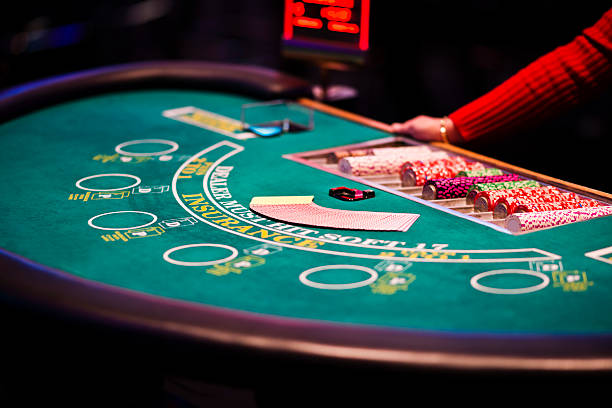
The casino environment itself is carefully designed to promote gambling behavior. From vibrant colors to enticing sounds, every element of a casino aims to create a stimulating atmosphere that encourages risk-taking. Slot machines, for example, are designed to be visually captivating and rewarding, enticing players to keep spinning in hopes of hitting a jackpot. The design of casinos often utilizes elements that evoke a sense of urgency, making it easy for players to lose track of time and money.
Furthermore, the placement of games and amenities is strategically arranged to maximize exposure and participation. High-stakes games are often located in prominent areas, attracting those looking for excitement. This layout encourages players to move from one game to another, heightening the sense of risk and the opportunity to win big. The overall ambiance of a casino is meticulously crafted to foster an environment that feels both welcoming and thrilling.
Additionally, the continuous availability of food and beverages serves to create a sense of comfort and prolong engagement, encouraging players to stay longer. This combination of comfort and excitement can diminish self-control, leading to prolonged gambling sessions and increased risk-taking. Understanding these design elements is crucial for anyone looking to comprehend the complex psychological factors that drive gambling behavior.
Your Guide to Responsible Gambling
At our platform, we are dedicated to promoting responsible gambling practices. We believe that understanding the psychological factors behind gambling can empower players to make informed choices. Whether you are an experienced gambler or a newcomer, knowledge is key to navigating the exhilarating yet complex world of casinos. We prioritize safety and transparency, ensuring players have access to resources that can help them maintain a healthy relationship with gambling.
Our community offers valuable insights and expert tips to maximize your gaming enjoyment while minimizing risks. By focusing on responsible practices, players can engage in gambling as a form of entertainment rather than as a means to earn money. Educating yourself about the psychological triggers that lead to risk-taking is an essential part of enjoying your casino experience responsibly.
Join us as we explore the fascinating interplay of psychology and gambling, ensuring that your gaming experience is both enjoyable and responsible. We believe that by fostering a community grounded in trust and knowledge, we can collectively enhance the enjoyment of this thrilling pastime while safeguarding our well-being.